How Do Bonded Sealing Washers Prevent Leakage in Roofing Systems?

Bonded sealing washers help prevent roof leakage by sealing the area around screws, fasteners, and panel penetration points. In metal roofing systems, water most often enters through the fastening holes rather than through the roof sheet itself. A bonded sealing washer combines a metal washer with a rubber layer that compresses against the panel surface when the screw is tightened, closing the gap around the hole. EPDM is the material most commonly specified for these washers because of its weather resistance and outdoor durability.
For roofing contractors, fastener suppliers, metal building distributors, and OEM buyers, choosing the right washer affects fastening strength, long-term waterproofing, installation reliability, and maintenance cost after the roof is installed.
What Is a Bonded Sealing Washer?
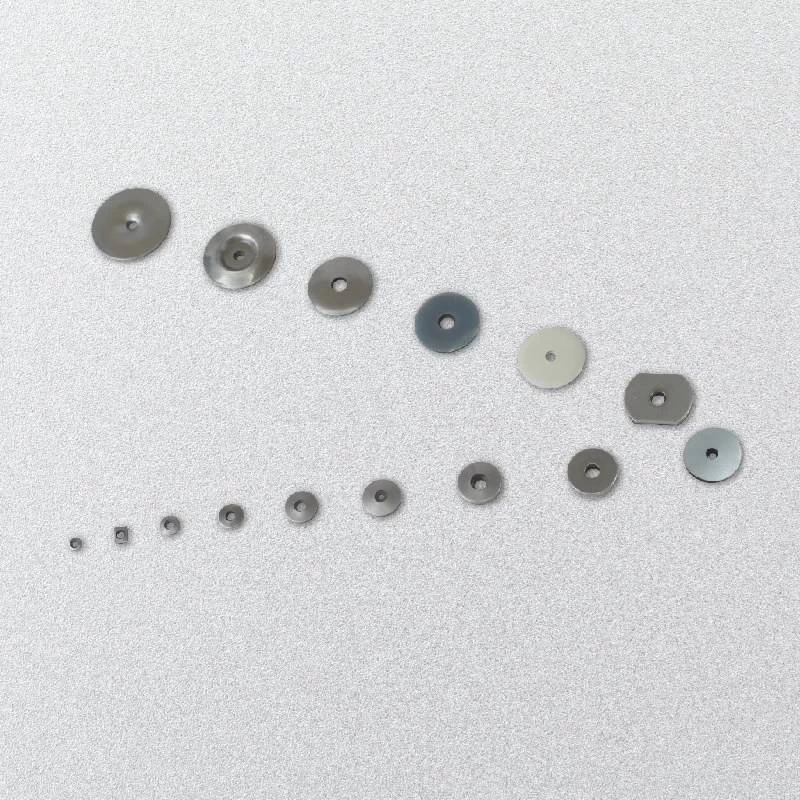
A bonded sealing washer is made by bonding rubber to a metal washer. The metal component provides structural support, while the rubber layer forms a sealing surface when compressed during installation.
Compared with a standard flat washer, a bonded washer combines load distribution with sealing performance. As the screw is tightened, the rubber layer compresses against the roofing panel and closes the gap around the screw hole — a detail that matters most in roofing, where the fastening point is continuously exposed to rain, sunlight, wind, and temperature change.
These parts are also referred to as rubber bonded washers, EPDM bonded washers, roofing washers, roof screw washers, or metal roofing fastener washers, depending on the market and application.
Why Do Roofing Systems Leak Around Fasteners?
Even when a roof sheet is installed correctly, water can still find its way in through the screw holes. Common causes include:
- The washer does not fully seal the screw hole
- The rubber layer hardens or cracks after prolonged outdoor exposure
- The screw is under-tightened, leaving a gap around the fastening point
- The screw is over-tightened, causing the rubber to deform or split
- The washer material is not suited to the outdoor environment
- The roof panel profile does not match the washer design
Because roofing systems face repeated cycles of heat, rain, and temperature change, washers should be selected for the actual installation environment, not for screw size alone.
How Bonded Sealing Washers Help Prevent Leaks
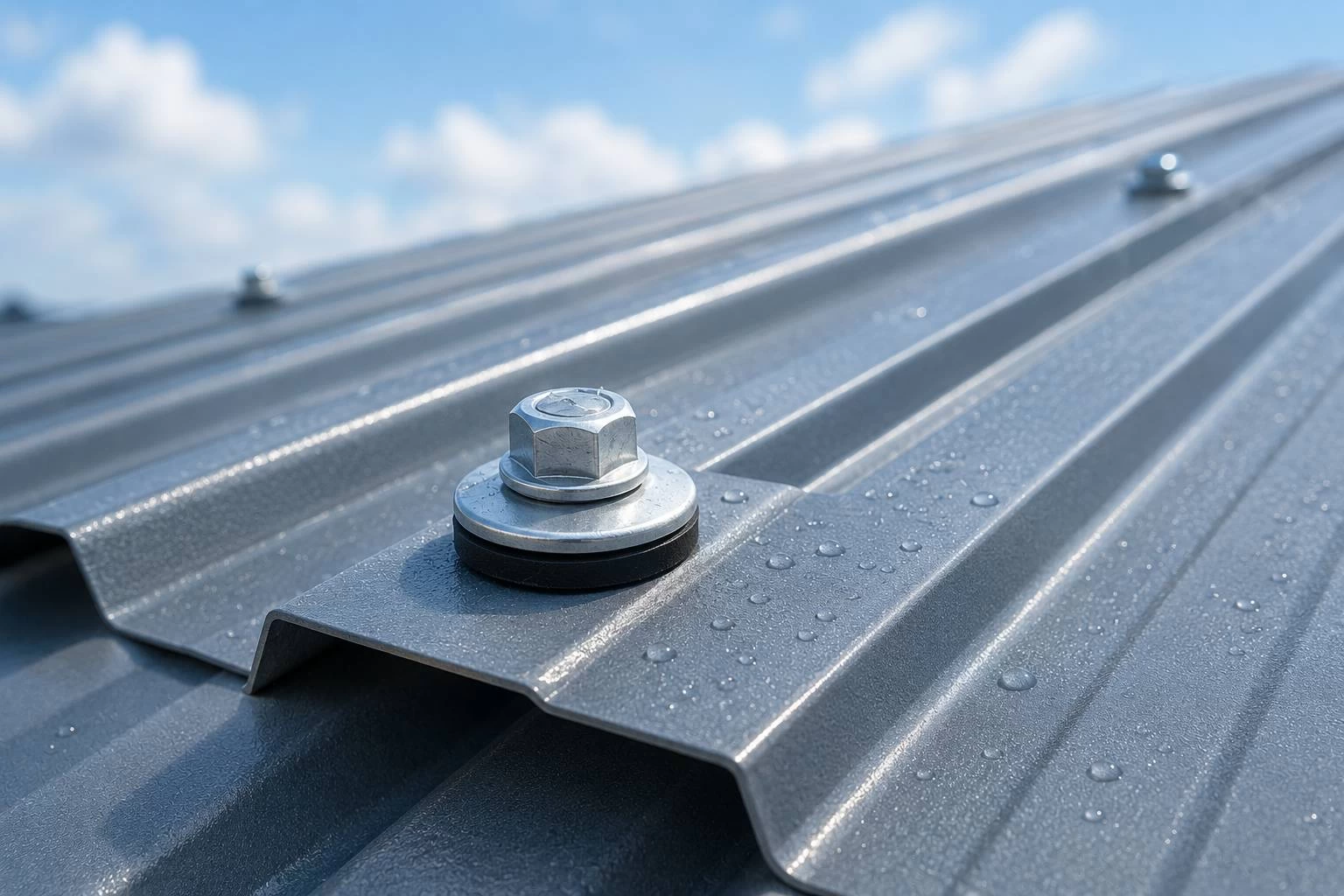
When the screw is tightened, the rubber layer is compressed between the metal washer and the roofing panel, filling small gaps and surface irregularities around the screw hole. The metal washer distributes pressure evenly, while the rubber layer forms the seal — together keeping the fastener stable and limiting water entry at the hole.
In practice, this combination supports:
- Sealing around the screw hole — the rubber layer blocks rainwater at the fastening point
- Stable compression — the metal washer helps maintain consistent pressure during installation
- Fastening reliability — load is distributed evenly, reducing the risk of panel damage
- Outdoor durability — when the rubber material is matched to the application
- Lower maintenance exposure — fewer leaks developing after installation
Standard Washer vs Bonded Sealing Washer for Roofing Applications
A standard washer distributes fastening load but has no dedicated sealing layer. A bonded sealing washer is built to do both at once.
| Feature / Benefit | Standard Flat Washer | Bonded Sealing Washer |
|---|---|---|
| Load distribution | Yes | Yes |
| Rubber sealing layer | No | Yes |
| Waterproof sealing support | Limited | Helps seal around fastener holes |
| Outdoor suitability | Depends on material and design | Suitable when EPDM or another weather-resistant rubber is used |
| Fastening reliability | Basic load support | Supports fastening and sealing together |
| Common applications | General assembly | Metal roofing, wall cladding, outdoor fastening |
Why EPDM Is Commonly Used for Roofing Washers
EPDM is one of the most widely used rubber materials for roofing and outdoor sealing applications. It is generally selected for its weather resistance, ozone resistance, and outdoor aging performance — properties suited to metal roofing, wall cladding, and other applications exposed to sunlight and rain.
Other rubber materials may perform better for oil resistance or indoor use, but are not always the best fit for long-term outdoor exposure. For B2B buyers, the more useful question is not “which rubber is better” but “which rubber suits this application environment.” For metal roofing and waterproof fastening, EPDM bonded washers are a practical starting point because they're designed for long-term sealing performance outdoors.
What Affects Long-Term Sealing Performance?
Choosing the right washer is only part of the equation. Installation quality and bonding integrity also determine how well a bonded sealing washer holds up over time.
Installation. If the fastener is under-tightened, the rubber layer may not compress enough to seal the hole. If it's over-tightened, the rubber can deform, split, or lose part of its sealing function. Installers should follow the fastening method suited to the specific screw type, panel profile, and washer design — particularly on roofs exposed to vibration, thermal movement, and wind load.
Rubber-to-metal bonding. The bond between rubber and metal has to hold through installation and years of outdoor use. If the rubber separates from the metal washer, sealing performance drops and leakage risk goes up. This is why bonding quality and manufacturing consistency are worth evaluating alongside washer size and price when comparing suppliers.
Where Are Bonded Sealing Washers Used?
- Metal roofing systems
- Roof panels and wall cladding
- Steel buildings and prefabricated structures
- Outdoor sheet metal fastening
- Roofing screws and self-drilling screws
- Pipe flashing and roof penetration areas
- Solar mounting and exterior fastening systems
- Industrial equipment used outdoors
KCS Bonded® Washer and related sealing solutions apply wherever rubber-to-metal bonding, compression sealing, and material selection affect long-term performance. For pipe penetration areas specifically, Bonded Flashing® solutions may also be worth considering, depending on the sealing area and structure.
How to Choose the Right Bonded Sealing Washer
Choosing a bonded sealing washer involves more than matching diameter to screw size. Buyers should also weigh:
- Rubber material — EPDM is the standard choice for outdoor and roofing use; other materials may suit oil-resistance or temperature-specific needs
- Washer size — diameter should match the screw, hole size, and installation surface
- Metal material — strength and corrosion resistance appropriate to the application environment
- Rubber compression — the layer should compress evenly without damage from over-tightening
- Panel profile — flat panels, corrugated sheets, and special roof profiles may call for different washer or gasket designs
- Application environment — UV exposure, rainfall, temperature range, and building location all factor into material selection
- Custom requirements — non-standard dimensions, materials, or bonding designs for specific roofing or industrial projects
A reliable custom bonded washer manufacturer should be able to work through these requirements against a drawing, sample, or specification — not just a standard catalog size.
Need a Bonded Sealing Washer for Your Roofing Application?
KCS Enterprise has worked in rubber-to-metal bonding and bonded washer manufacturing since 1983. For roofing, exterior fastening, and other customized washer applications, KCS Enterprise can help evaluate washer size, rubber material, metal material, and sealing requirements based on your drawing, sample, or actual application conditions.
Contact KCS Enterprise to discuss your roofing washer specification — whether it's a standard EPDM bonded washer or a fully custom design.
FAQ
Q1. What is a bonded sealing washer used for in roofing?
It seals the area around a roofing screw or fastener, reducing the risk of rainwater entering through the screw hole as the rubber layer compresses against the roof panel.
Q2. Why do metal roofs leak around screws?
Metal roofs can leak around screws when the washer doesn't seal properly, the rubber has aged, or the fastener isn't tightened correctly. Outdoor exposure, temperature swings, and panel movement also affect sealing performance over time.
Q3. Is EPDM good for roofing washers?
Yes. EPDM is commonly used for roofing washers because of its weather resistance, ozone resistance, and outdoor aging performance, making it suitable for roofing, wall cladding, and exterior fastening.
Q4. What is the difference between a bonded washer and a standard washer?
A standard washer mainly distributes fastening pressure. A bonded washer adds a rubber sealing layer to the metal washer, so it provides fastening support and sealing performance together.
Q5. Why does rubber-to-metal bonding quality matter?
Because the rubber layer has to stay attached to the metal washer through installation and years of use. If it separates, sealing performance drops and leakage risk increases.
Q6. Can bonded sealing washers be customized?
Yes — screw size, washer diameter, rubber material, metal material, and bonding structure can all be adjusted to the application. Buyers should confirm final specifications with the manufacturer before ordering.
Q7. How do I choose a washer for metal roofing screws?
Consider screw size, roof panel type, washer diameter, rubber material, outdoor exposure, and the sealing performance required. EPDM bonded sealing washers are the common choice for outdoor roofing applications.